

Search Website
About Experiential Learning
About Experiential Learning
About Experiential Learning
Western is committed to providing opportunities for all students to engage in experiential learning. Learn more about what experiential learning means at Western, what it looks like, and how to get involved.
What is Experiential Learning?
At Western experiential learning is defined as:An approach that educators use to intentionally connect learners with practical experiences that include guided reflection. Experiential learning allows learners to: increase and apply disciplinary knowledge, develop transferable skills, clarify interests and values, strengthen career engagement and employability, and collaborate meaningfully with communities.
Active Learning v. Experiential Learning
The Centre for Teaching and Learning at Western describes active learning as an approach to instruction that requires students to thoughtfully engage with the course material, and often with one another. Experiential learning is on the spectrum of active learning, representing activities that involve the greatest level of engagement from the student and emphasizing personal reflection throughout the learning experience.
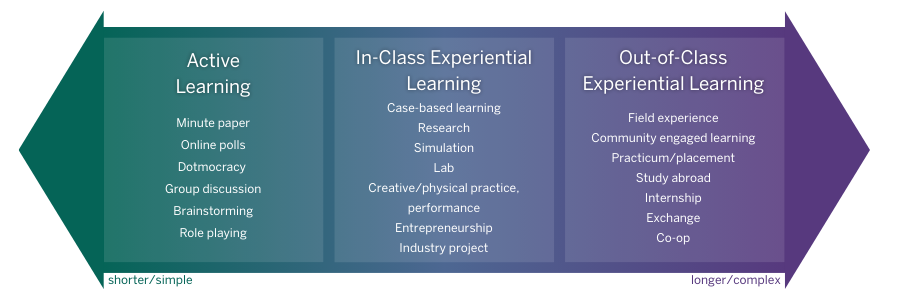
On the spectrum of active to experiential learning, active learning often comprises shorter and simpler tasks, such as group discussion, online polls, brainstorming, or role playing. In the middle of the continuum, in-class experiential learning takes a moderate amount of time to complete. This includes activities like case-based learning, labs, industry projects, performances, and simulations to provide an opportunity to practice work-like scenarios in the classroom. On the opposite side of the spectrum, out-of-class experiential learning takes longer to complete, and is often more complex. Out-of-class experiential learning could involve a co-op, exchange, internship, field experience, practicum, placement, or a variety of community engaged learning opportunities.
The Experiential Learning Cycle
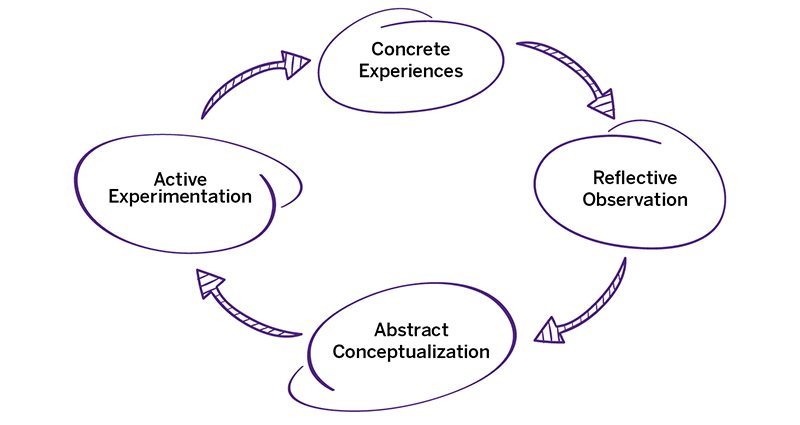
In addition to consulting Western's experiential learning principles, consider the following cycle from experiential learning theorist David Kolb (1984) when planning an experiential learning activity. Kolb’s theory identifies four stages in the learning cycle, as illustrated below: Concrete Experience, Reflective Observation, Abstract Conceptualism, and Active Experimentation.
As students participate in their experience, they should have multiple opportunities to reflect through journaling, questionnaires, or in-person meetings with supervisors. Following the completion of a student’s experience, students should reflect on their learning from the experience as a whole, allowing new ideas and abstract concepts to arise. Finally, students apply their new ideas to the world around them.
What does experiential learning look like?
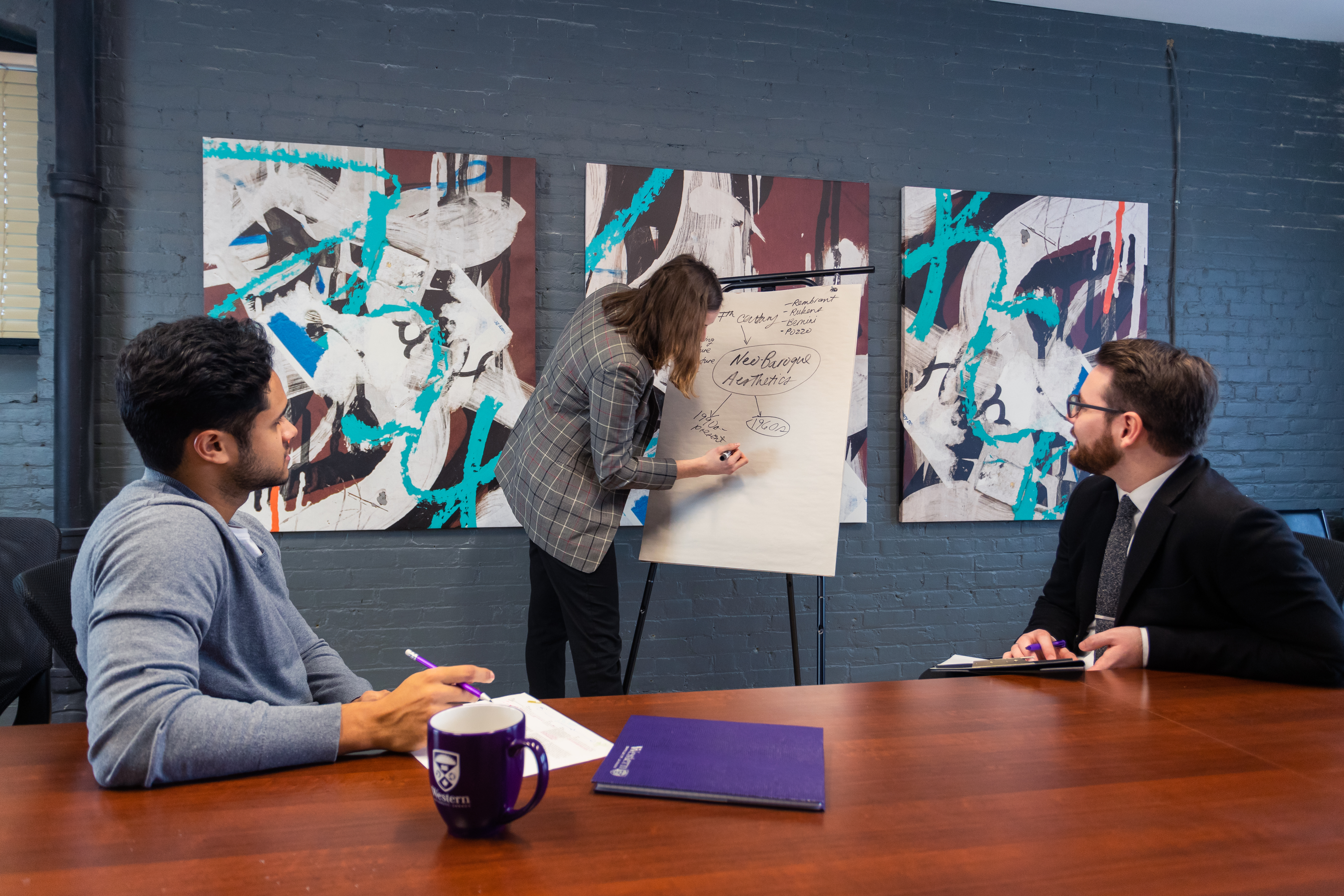
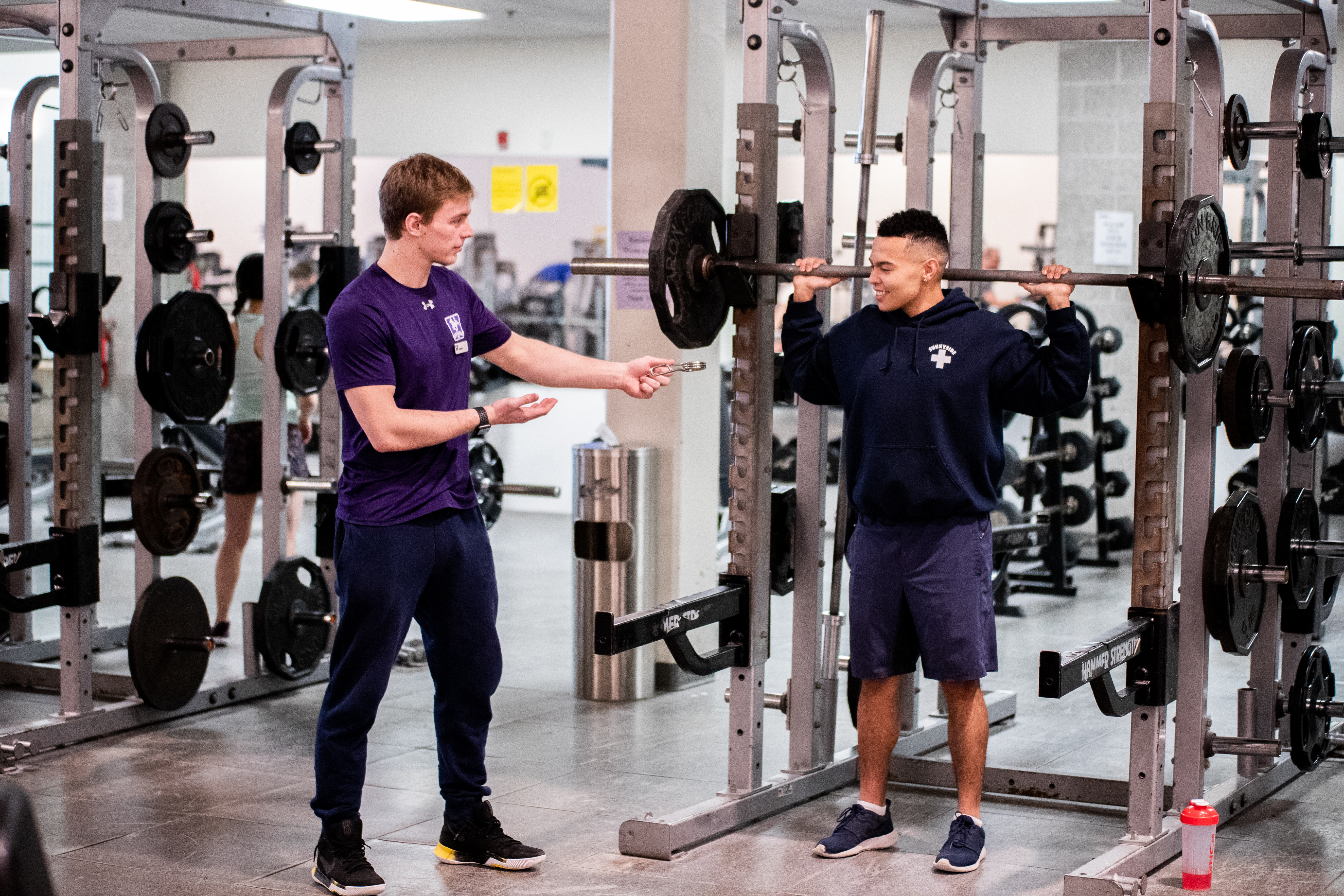
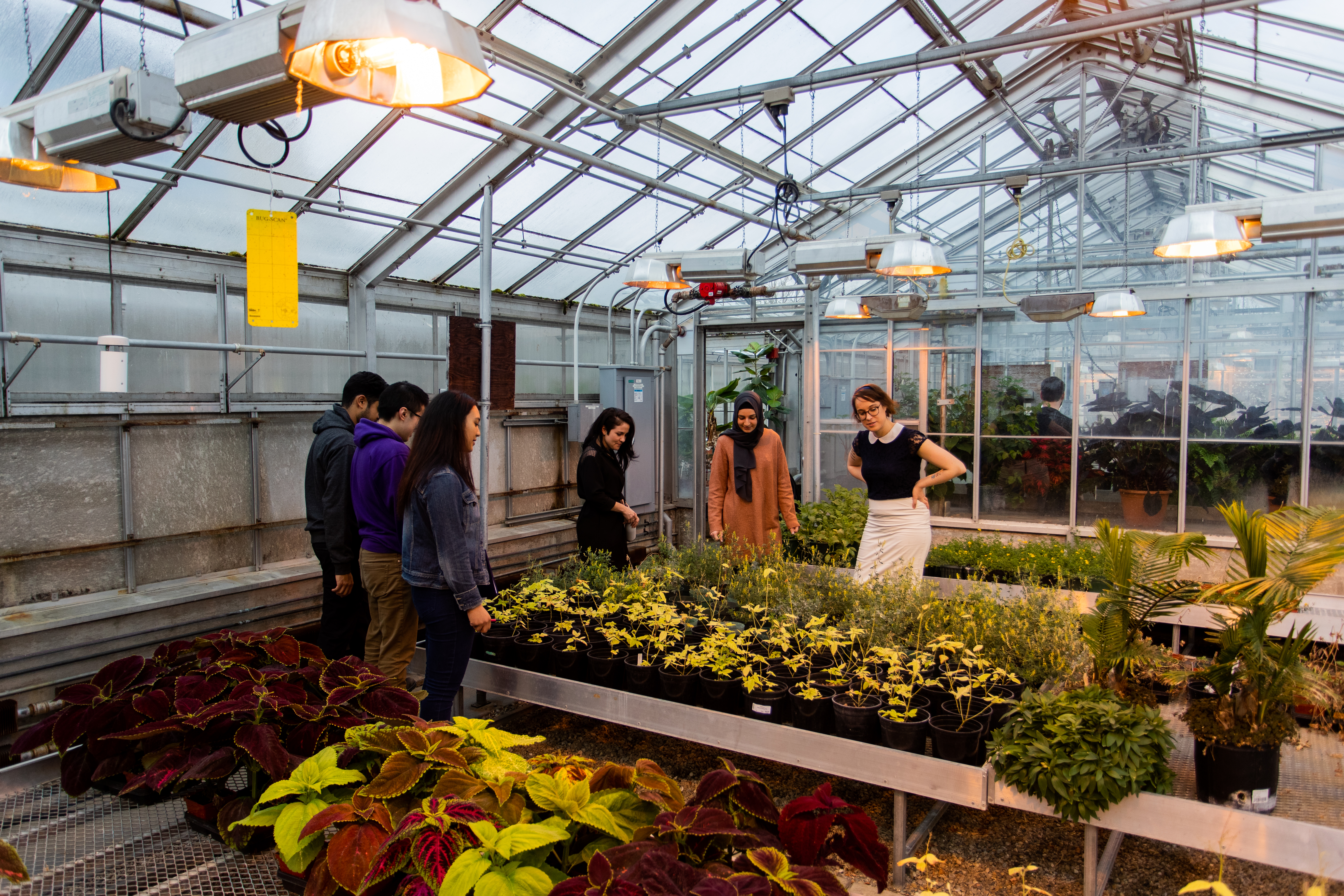
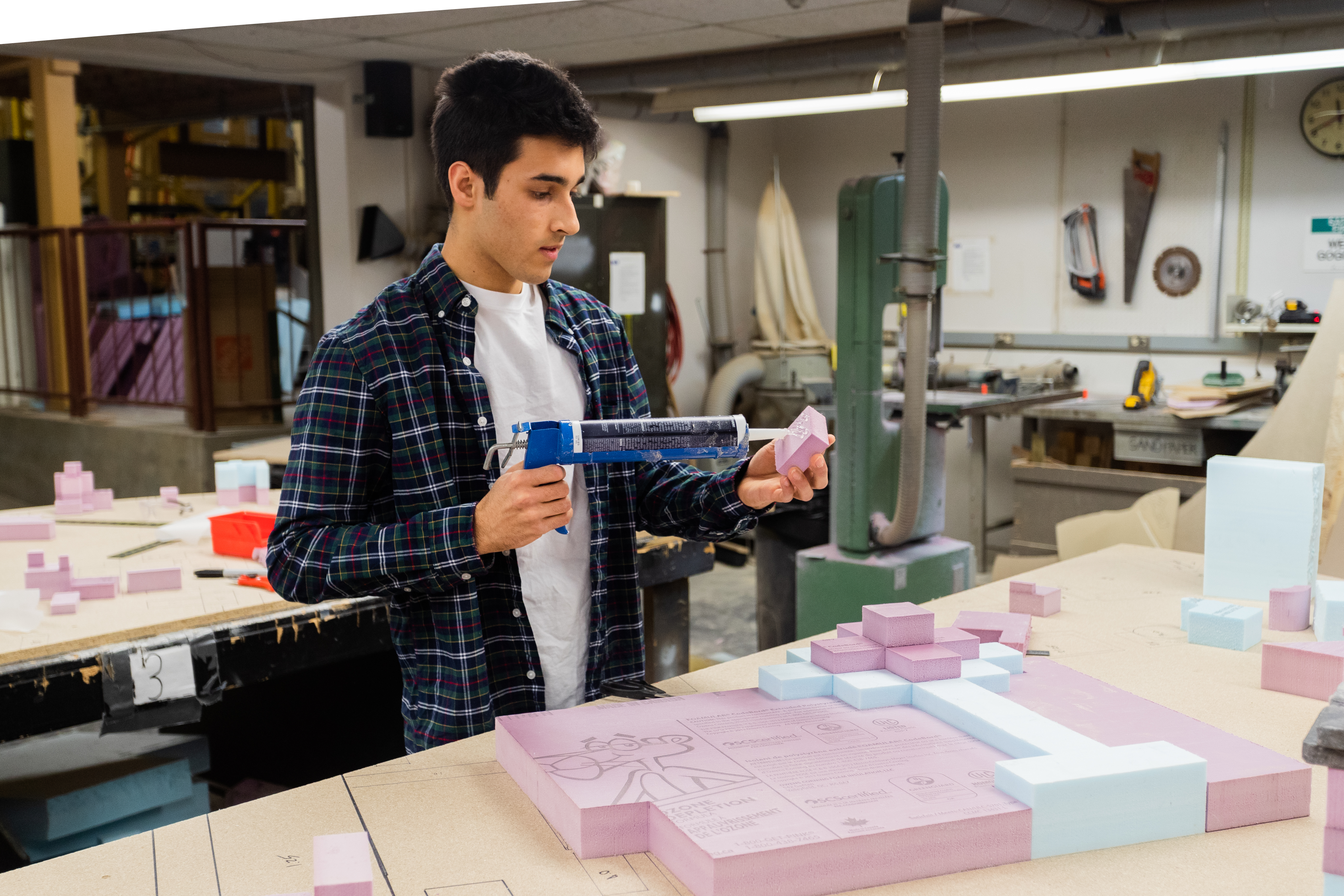
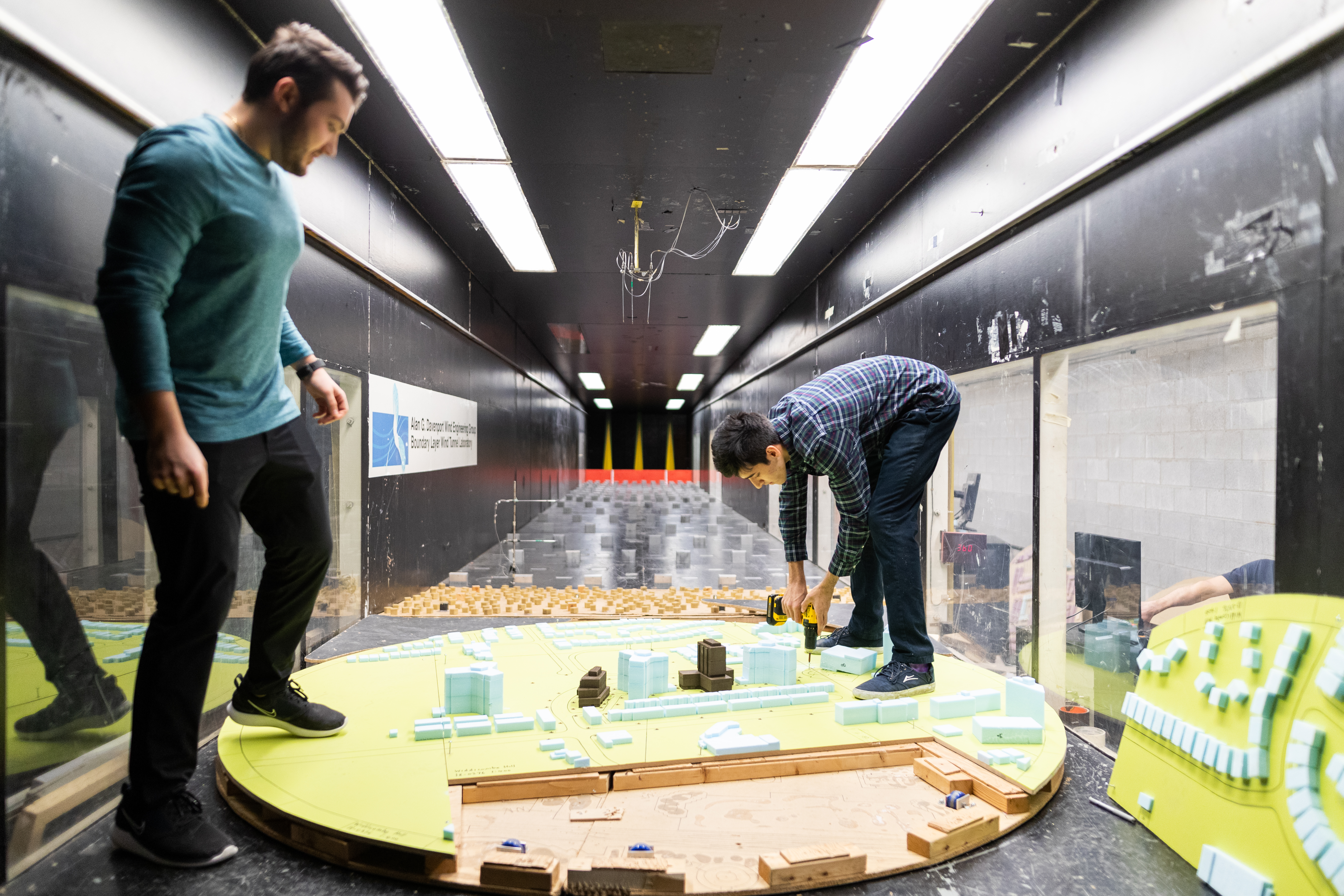
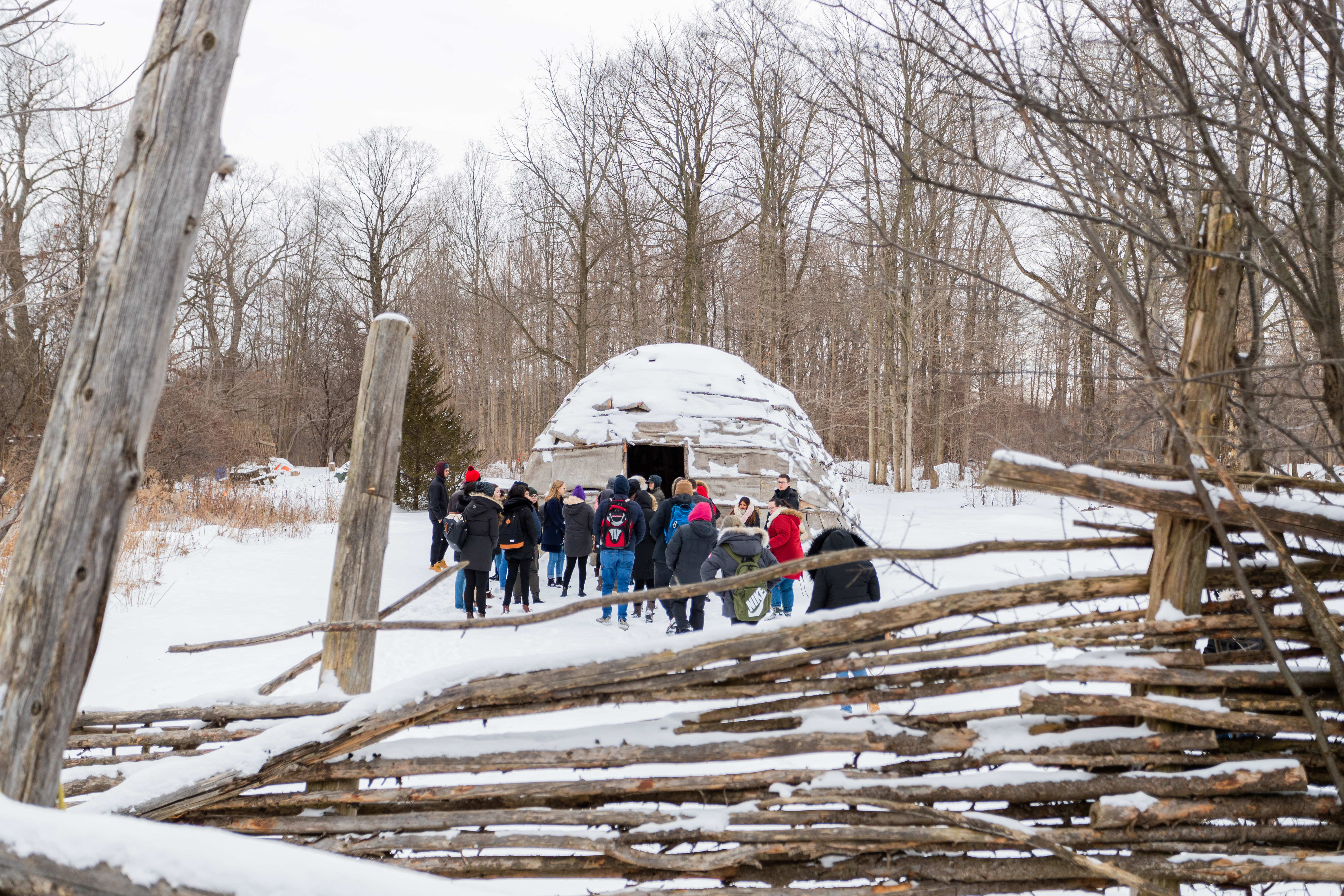
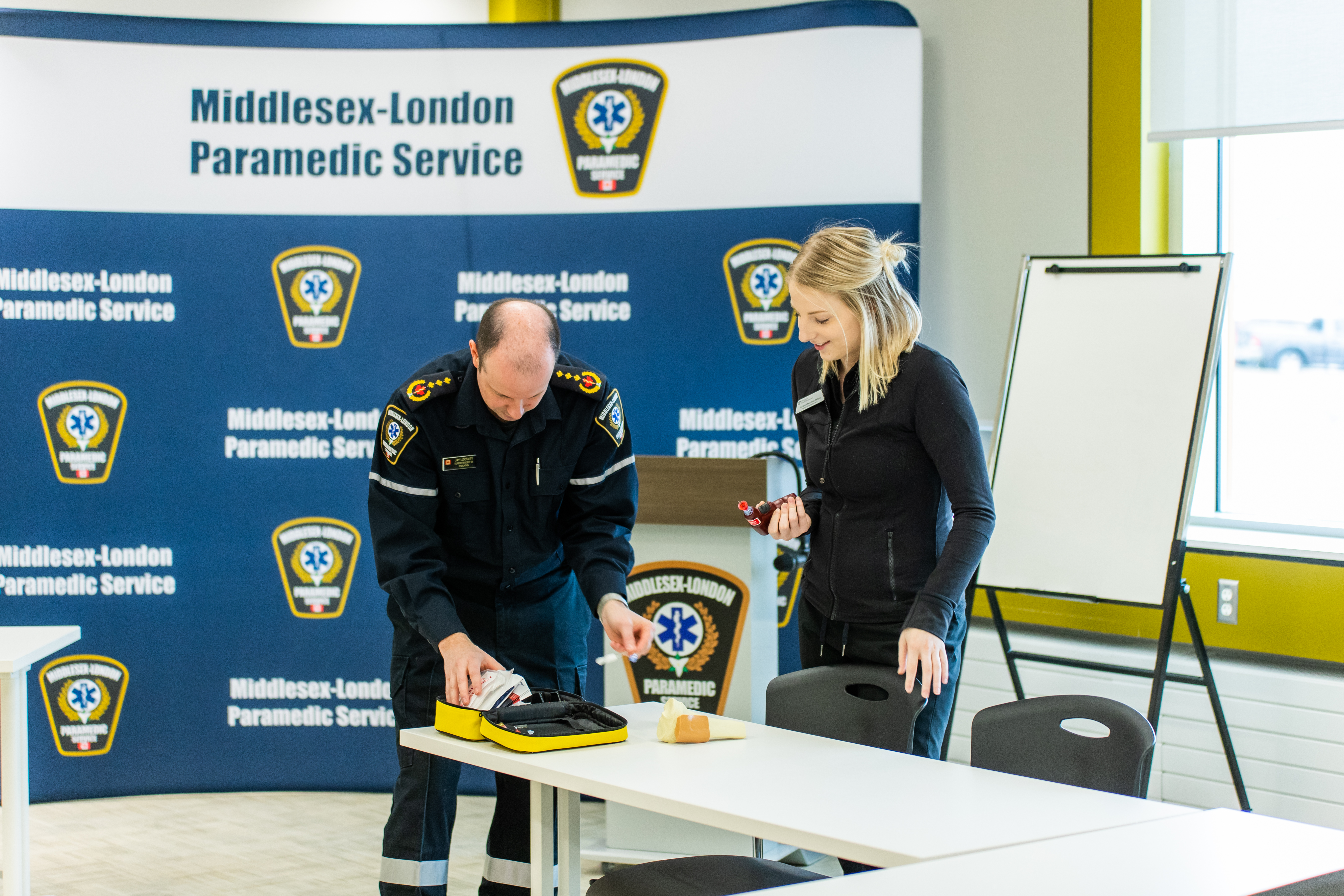
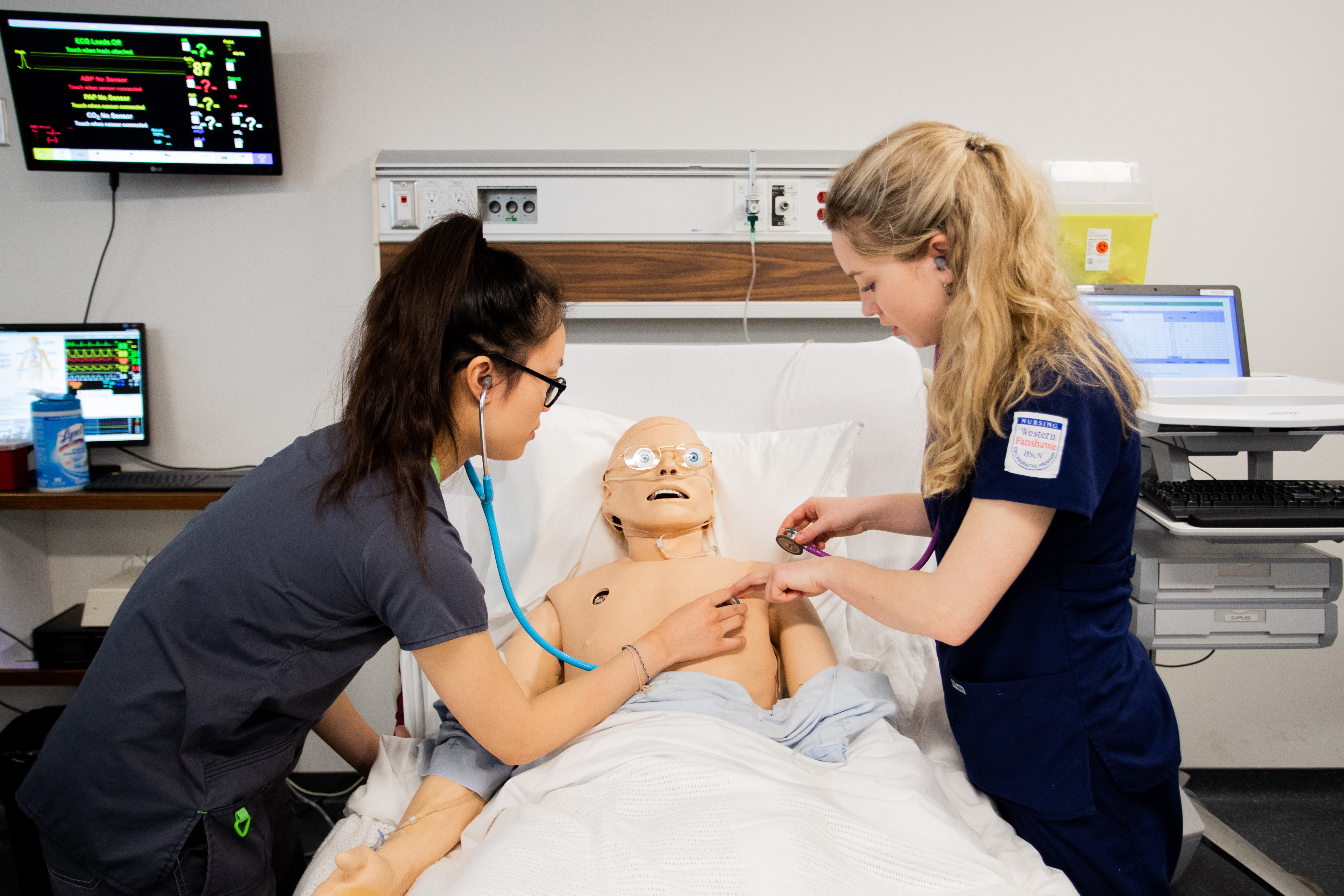
Experiential learning takes many forms. In the gallery below, explore just some of the ways our students are engaging in experiential learning.
Accessibility in Experiential Learning